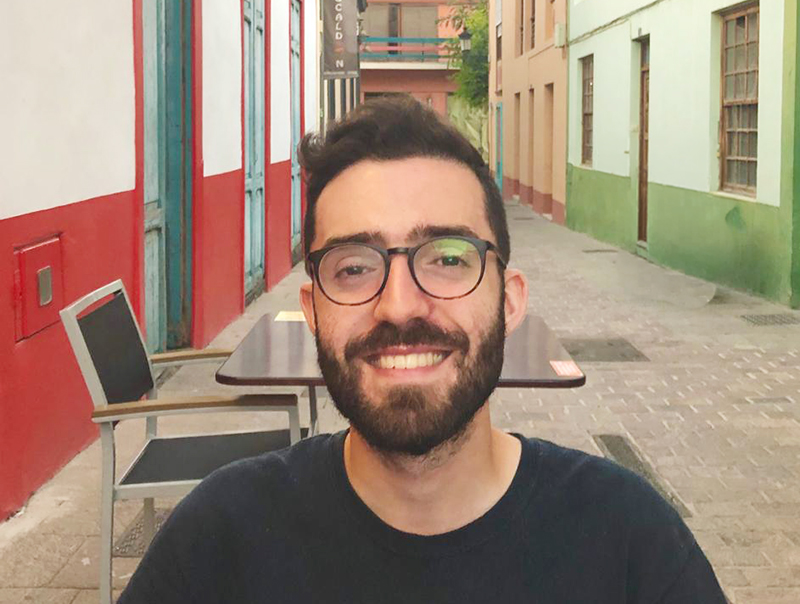
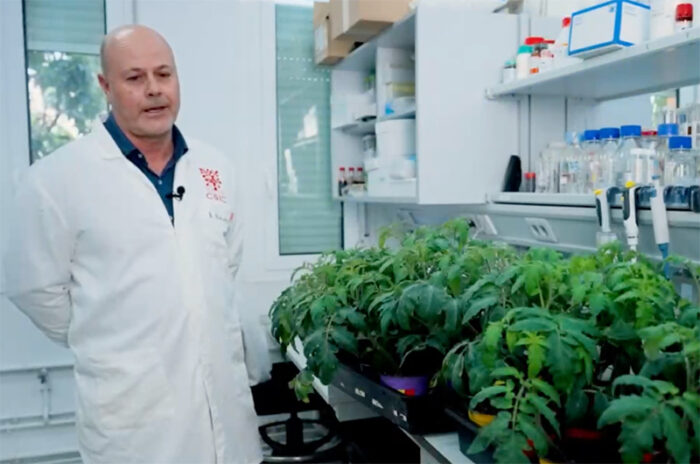
La Laguna, april 2026. As part of the Resilcrops interview series, we speak with Sergio Chevilly Tena, Postdoctoral researcher at the Institute of Natural Products and Agrobiology (IPNA-CSIC), about his research on marine-derived biostimulants and the molecular challenges of developing a more sustainable and healthy agricultural model.
Evaluating marine resources against drought stress.
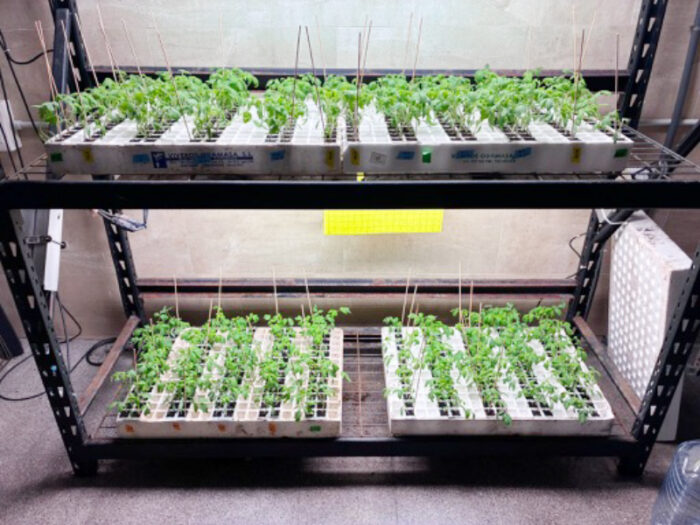
Sergio Chevilly Tena plays a key role in the experimental phase of the Resilcrops project. His main task focuses on evaluating the effects of algae and marine bacteria on drought stress tolerance in essential crops, such as tomato. By testing these natural extracts, his work seeks to provide biological solutions that help plants survive and thrive in increasingly water-scarce environments.
International collaboration for global health.
What motivates Sergio most about being part of Resilcrops is the project’s capacity for international synergy. The opportunity to collaborate with a diverse network of researchers from different countries is, in his view, essential to achieving meaningful scientific progress. Ultimately, this collective effort aims to improve global health by creating more robust and reliable food production systems.
Decoding molecular mechanisms.
From a scientific perspective, the project presents a fascinating challenge: moving beyond observed effects to understand the «why» behind the results. Sergio finds the most interesting aspect of his research is the effort to elucidate the complex molecular mechanisms that drive the activity of marine extracts. Identifying these pathways is crucial for the scientific validation and optimization of new biotechnological products.
A commitment to healthier and accessible food.
For Sergio Chevilly, the transition toward a more sustainable agriculture is a social and nutritional necessity. He believes that promoting these practices is vital not only to ensure access to better and more affordable food but also to guarantee that it is significantly healthier. Through his work at IPNA-CSIC, Sergio contributes to a model that prioritizes both environmental responsibility and human well-being.