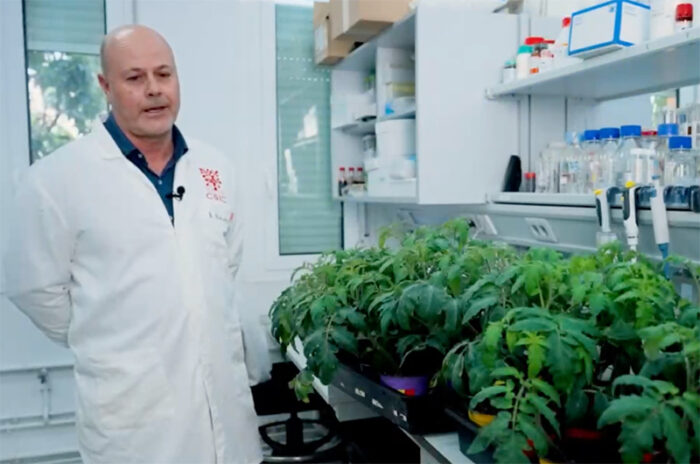
The Resilcrops Project team member and CSIC researcher, Begoña Redruello, discusses the «power of the invisible» and how microbiology is key to tackling global challenges, from mental wellbeing to food security in a changing climate.
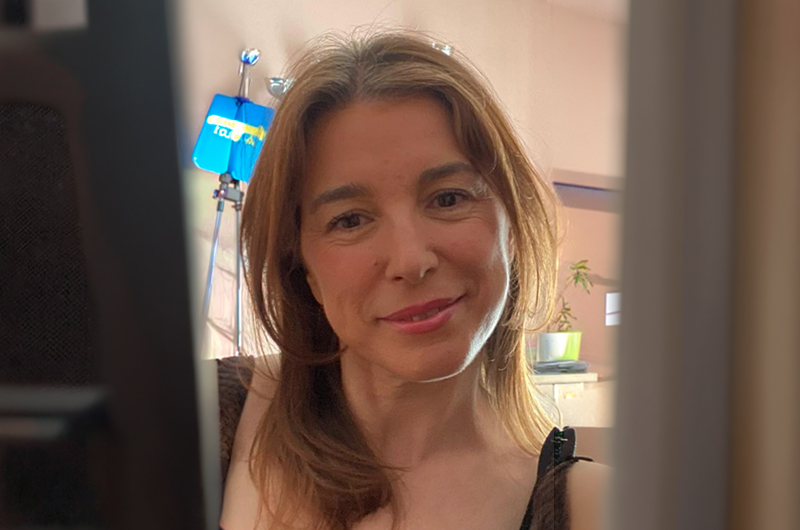
Avilés, February 2026* — Begoña Redruello Trelles (Luarca, 1972) is a researcher at the Dairy Products Institute of Asturias (IPLA), part of the Spanish National Research Council (CSIC). As a key scientist in the Resilcrops Project, her work bridges the gap between traditional microbiology and future-proof solutions for health and agriculture.
This week, she participates in the roundtable «The Power of the Invisible: Science Protecting Health,» celebrating the 50th anniversary of the San Agustín University Hospital.
The Scientific Vocation: Observation and Curiosity
Q: When did you discover your calling for science?
Begoña Redruello: I was always a very observant child, full of curiosity. I’m still the same. I believe that observing the phenomena around us and questioning what we don’t know are the two essential tools for a career in science.
Q: You are currently part of the CSIC. What does it mean for you to conduct research within this institution?
B.R.: It is both a pride and a great challenge. The CSIC is one of the world’s leading public research organizations. What I value most is its human capital—researchers, support staff, and management—all working together. Our collaborations with entities like the University of Oviedo and regional science departments are vital for training the next generation of technicians and scientists.
Microbiology: The Power of the Invisible
Q: The roundtable is titled “The Power of the Invisible.” What does this concept mean to you?
B.R.: «The invisible» refers to microorganisms. They are too small to see without a microscope, yet they perform biological functions constantly. Some are beneficial, like the starter cultures in the dairy industry that give us cheese. Others, as we saw with the SARS-CoV-2 pandemic, can be harmful. Understanding this invisible power is crucial for public health.
Q: How does microbiology influence our daily lives?
B.R.: It’s everywhere. Beyond fermented foods like bread, wine, and cheese—where lactic acid bacteria (my main field of study) are key—microbes produce food additives, detergents, and life-saving drugs like antibiotics. Environmentally, they are essential for waste treatment and global biogeochemical cycles in our soils and oceans.
Researching Mental Health through Nutrition
Q: What real impact does research in Asturias have on public health?
B.R.: We are currently working on projects to prevent health risks linked to lifestyle, genetics, and environment. Notably, at the Molecular Microbiology group (IPLA), we are designing processes to produce compounds beneficial for mental health using lactic acid bacteria isolated from cheese.
These bacteria are classified as safe by the EFSA (European Food Safety Authority). We are investigating how they can be incorporated into food as an alternative vehicle to traditional medicine for administering neuroactive compounds.
The Future of Science and the Resilcrops Project
Q: Do you think society is aware of the scientific work being done nearby?
B.R.: Outreach efforts have improved visibility, but we must continue. If scientists don’t fill the communication gap, misinformation will. Fighting «fake news» in science is an essential responsibility today.
Q: If you could research without resource limits, what problem would you tackle?
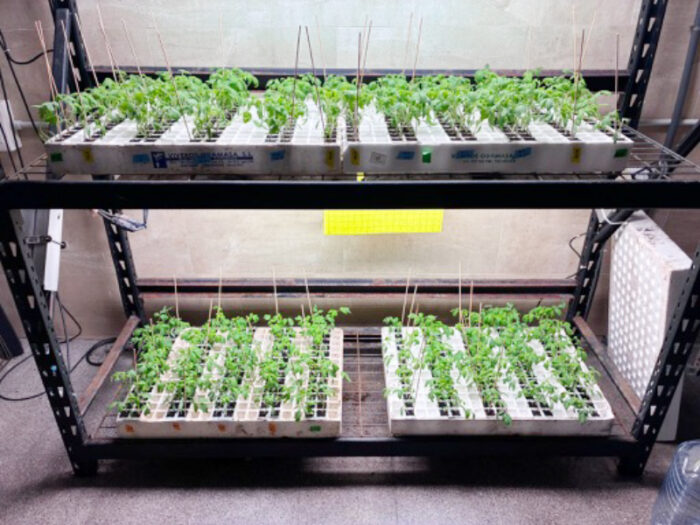
B.R.: The challenge of feeding 10 billion people by 2050 amidst an unprecedented climate crisis. Currently, I am working on the Resilcrops Project (Interreg Atlantic Area). This European consortium involves partners from Spain, Portugal, France, and Ireland. We aim to identify biostimulant compounds that protect crops against climate stresses like drought and emerging pests. Securing our food supply in a sustainable way is the ultimate goal.
*Myriam Mancisidor, La Nueva España